Behaviour & Everyday Care
Helping Your Dog Feel More Comfortable at the Vet
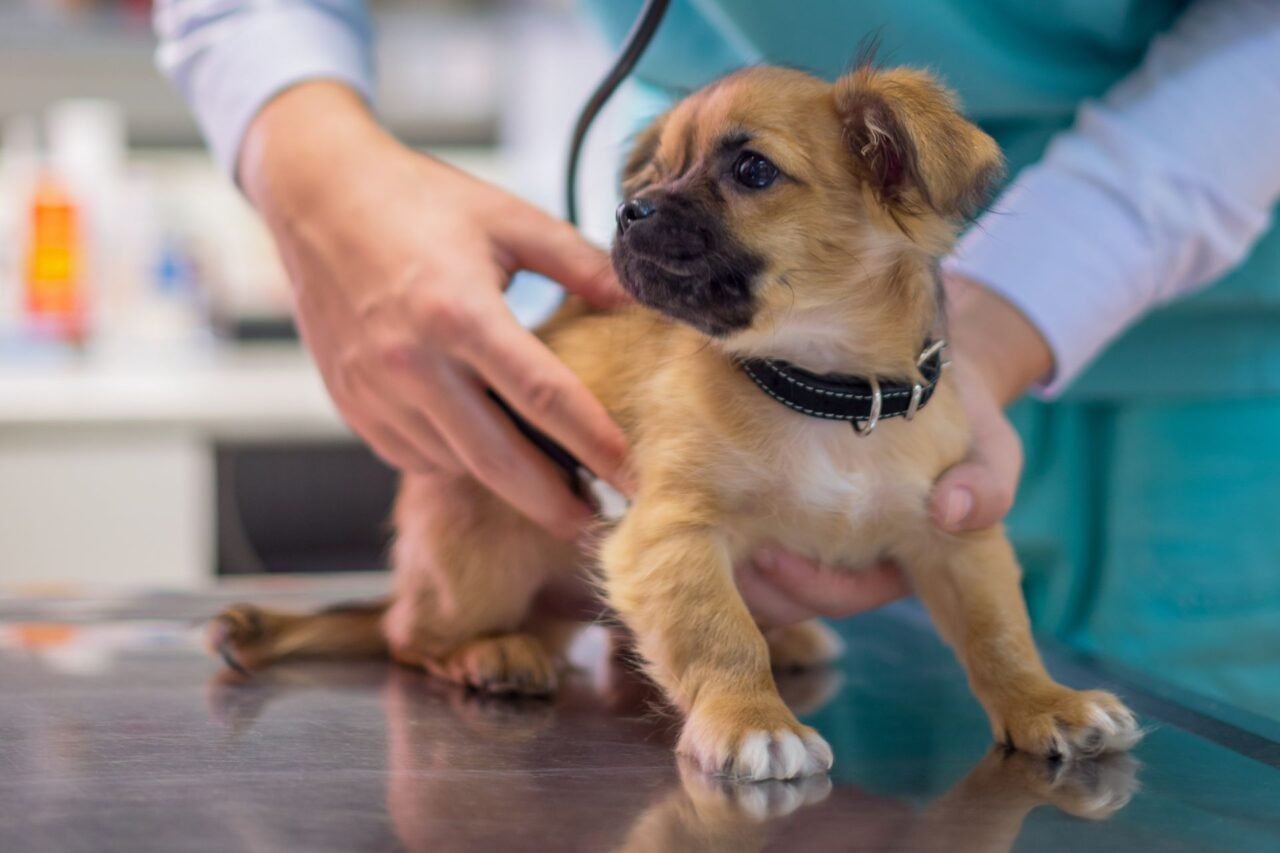
Fear at the clinic is not bad behaviour — it is information. Happy visits, cooperative care at home, and honest conversations with your clinic can change everything.
A dog who panics at the vet is harder to examine, harder to diagnose accurately (stress changes heart rate, temperature and even blood results), and at higher risk of biting through fear. The encouraging truth: veterinary fear is modifiable at almost any age, and owners do most of the modifying.
Happy visits
The most powerful technique is also the simplest: visit the clinic when nothing is wrong. Pop in, weigh your dog, accept treats from the team, and leave. Two or three short, pleasant visits between real appointments teach your dog that the building predicts good things far more often than needles. Many clinics welcome this — ask at reception.
Cooperative care at home
Practise the building blocks of an examination as a game, in tiny steps, always paired with rewards and always stopping before your dog objects: touching ears, lifting lips, handling paws, resting a hand on the chest, standing on a mat. Muzzle training — done slowly with treats so the muzzle itself predicts snacks — means that if a muzzle is ever needed for safety, it adds no new stress on a bad day. The rule throughout: your dog can always opt out by moving away, and opting out is respected.
On the day
- Exercise and toilet your dog beforehand; bring favourite treats or a lick mat if the clinic agrees.
- Wait in the car if waiting rooms overwhelm your dog — many clinics will call you in directly.
- Stay calm and matter-of-fact; your dog reads you constantly.
- Tell the team what works for your dog — a particular handler, being examined on the floor, a favourite treat.
When fear needs more help
For dogs whose fear is severe, talk to your vet about pre-visit anti-anxiety medication. This is not ‘drugging’ your dog — it is humane medicine that lowers panic, improves safety, and often improves the quality of the examination itself. Combined with happy visits and home practice, many highly fearful dogs become merely cautious dogs — and that is a genuine welfare win.
Frequently asked questions
What is a ‘happy visit’ to the vet?
A short visit with no treatment: weigh your dog, let the team give treats, and leave. Repeated happy visits teach your dog the clinic is usually a pleasant place.
Should I practise handling my dog at home?
Yes — brief, reward-based practice touching ears, paws and mouth, where your dog can always move away, makes real examinations far less stressful.
Is anxiety medication before vet visits a good idea?
For genuinely fearful dogs, yes. Vet-prescribed pre-visit medication reduces panic, improves safety and often improves examination quality. Discuss it with your own veterinarian.