

Spaying and Neutering in Dogs: Timing Matters More Than You Think
Written by Dr. Asmat Ullah Khan, DVM | Last Reviewed: December 2025
Medical Disclaimer: This article is for educational purposes only and does not replace professional veterinary advice. Always consult your veterinarian for decisions related to your pet’s health.
Spaying and neutering in dogs should be timed based on breed, size, and sex. While small breeds may be safely neutered around 6 months, large and giant breeds benefit from delayed surgery until after skeletal maturity (12–24 months) to reduce orthopedic and cancer risks.
Table of Contents
Why Timing of Spaying and Neutering in Dogs Is a Big Deal
For decades, the gold standard for spaying and neutering in dogs was around six months of age. This guideline, though well-intended, wasn’t rooted in robust scientific data. Recent veterinary research has ushered in a shift: breed, sex, and size-specific timing now dominate discussions about when to perform gonadectomy.
Sex hormones, particularly estrogen and testosterone, play critical roles in the closure of long-bone growth plates. Removing them prematurely can interfere with normal bone development, increasing the risk of joint disorders, especially in larger breeds.
Health Benefits of Spaying and Neutering
Prevention of Mammary Tumors and Pyometra in Females
Spaying a female dog before her first heat reduces the risk of mammary cancer to just 0.5%, compared to a much higher risk in intact dogs. Additionally, spaying completely eliminates the risk of pyometra—a life-threatening uterine infection that affects nearly 24% of intact females by age 10,.
Testicular and Prostate Health in Males
Neutering eliminates the risk of testicular cancer and significantly reduces the incidence of benign prostatic hyperplasia (BPH), a condition affecting up to 80% of intact males by six years of age.
Longevity and Population Control Gains
According to the AVMA, sterilized dogs tend to live longer than their intact counterparts. Preventing unwanted litters also helps address shelter overpopulation, especially in rescue scenarios where early-age neutering may be prioritized.
Risks of Early Spaying and Neutering in Dogs
Orthopedic Disease: Hip Dysplasia, CCL, Elbow Dysplasia
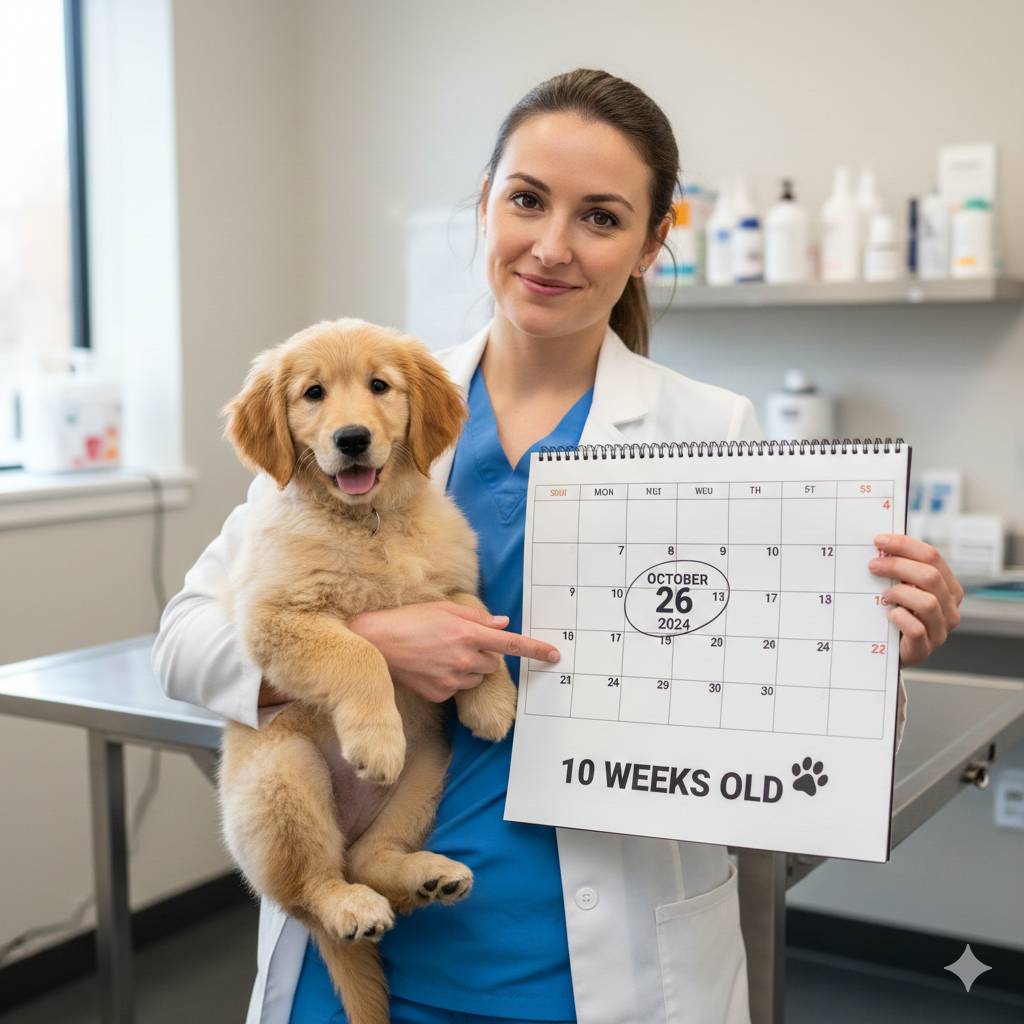
Dogs neutered before one year of age—especially medium to giant breeds—are at higher risk of joint disorders. A study on Labradors and Golden Retrievers revealed early neutering doubled the risk of joint disease in Labradors and increased it fivefold in Goldens.
Breed-Linked Cancer Risks
Neutering has been associated with an increased incidence of several cancers including osteosarcoma, hemangiosarcoma, and lymphoma. The Frontiers in Veterinary Science 2020 paper emphasized breed-specific risks, particularly in large and giant breeds.
Urinary Incontinence in Spayed Females
Spaying females—especially before 3 months of age—can increase the risk of urinary incontinence, known as urethral sphincter mechanism incompetence (USMI). Incidence ranges from 5% to 20% depending on timing and breed.
Timing Guidelines Based on Dog Size
Small Breeds: Earlier Neutering Still Safe
Dogs under 20 kg (45 lbs) generally do not show increased orthopedic risk when neutered early. For most small breeds, spaying and neutering around 6 months of age is appropriate.
Large & Giant Breeds: Wait for Skeletal Maturity
Dogs over 20 kg should ideally be sterilized after skeletal maturity. According to Ettinger’s Internal Medicine Textbook, waiting until 12 to 24 months helps minimize orthopedic and cancer risks.
What About Mixed-Breed Dogs?
A Frontiers study on mixed breeds proposed timing based on weight category: dogs over 20 kg had elevated risks of joint issues if neutered before one year; those under 20 kg did not.

Breed-Specific Recommendations You Should Know
- Golden Retriever: Males should be neutered after 1 year; females present a complex case due to persistent cancer risks across timing windows.
- Labrador Retriever: Neuter males after 6 months; spay females after 1 year.
- German Shepherd Dog: Both sexes benefit from delaying sterilization until after 2 years due to elevated joint disease and incontinence risks.
- Rottweiler: Spay females after 6 months; neuter males after 1 year.
When to Spay: Understanding Your Dog’s Heat Cycle
Why Timing Around Estrus Matters
Spaying during the heat cycle (estrus) or luteal phase (diestrus) can increase surgical risks and trigger pseudopregnancy. According to veterinary surgical texts, the ideal window is anestrus—2 to 3 months after the end of heat.
Dr. Khan’s Clinical Corner
I once treated a 2-year-old female Golden Retriever who was spayed at 6 months. She presented with bilateral cranial cruciate ligament (CCL) ruptures, both requiring TPLO surgery. Her owner later admitted she had read about joint risks but chose early spaying to prevent mammary cancer. This case underscores the complexity of breed-specific decision-making.
Research Radar: What the Latest Science Says
- The Frontiers 2020 review provides breed-specific timing recommendations based on joint disease and cancer risk.
- A JAVMA study highlights that dogs neutered before 6 months were more likely to develop orthopedic issues.
- Another AVMA publication observed increased longevity in sterilized dogs despite some elevated disease risks.
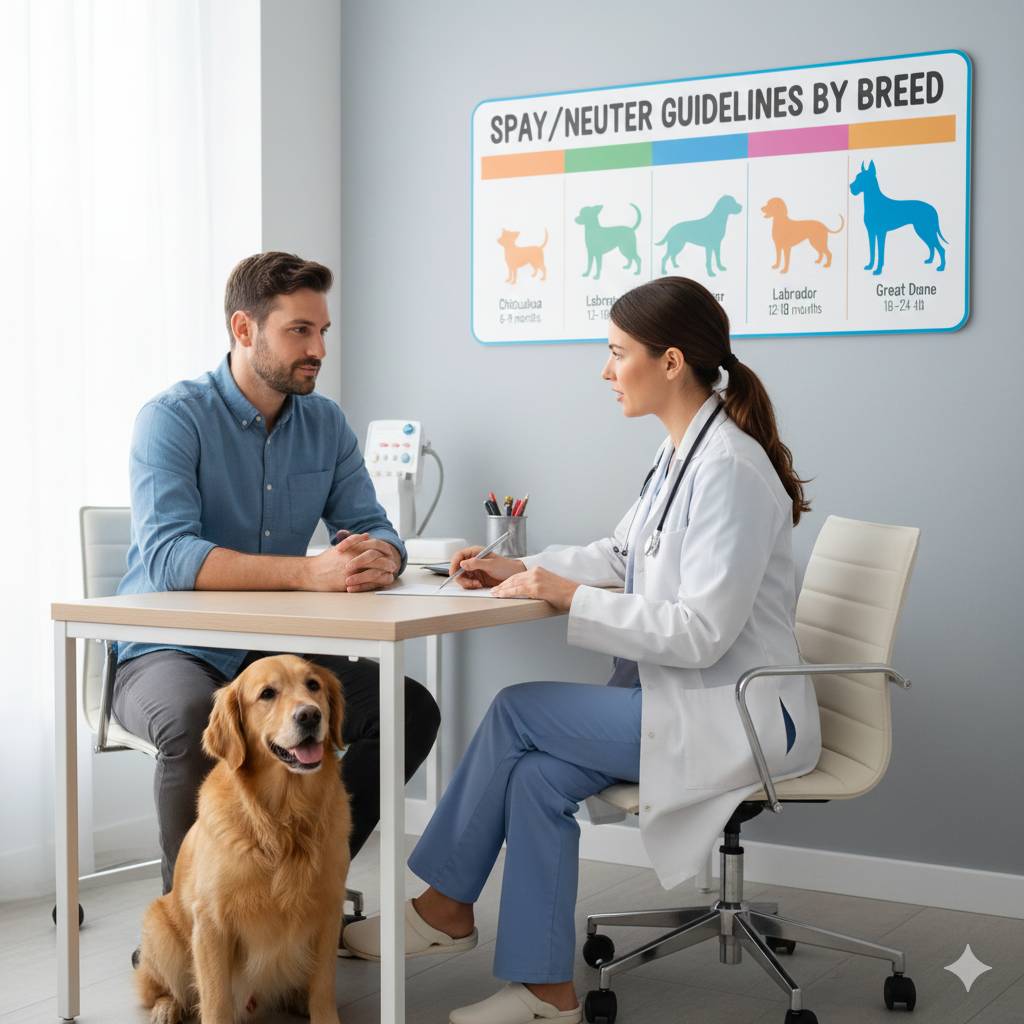
Recommended Spay/Neuter Timing Based on Dog Size and Breed
| Breed/Size | Spay (Female) | Neuter (Male) | Primary Risks if Early | Key Benefit of Timing |
|---|---|---|---|---|
| Toy/Small (<20 kg) | 6 months | 6 months | Minimal orthopedic or cancer risks | Early cancer prevention |
| Medium (20–30 kg) | 9–12 months | 9–12 months | Joint disorders, some cancer risks | Balanced prevention with lower skeletal risk |
| Large (>30 kg) | 12–18 months | 12–24 months | Hip/Elbow dysplasia, CCL tears, cancers | Protects joint health, lowers cancer odds |
| Golden Retriever | ~1 year or intact | After 1 year | Cancer, joint disorders | Breed-specific risks necessitate customized plan |
| German Shepherd | After 2 years | After 2 years | High risk of HD, ED, USMI | Preserves joint integrity |
Emergency Red Flags Post-Surgery
- Bleeding from incision site
- Swelling, redness, or discharge
- Lethargy or refusal to eat for more than 24 hours
- Vomiting or diarrhea
- Straining to urinate or defecate
Safe At-Home Care After Spay or Neuter Surgery
- Prevent licking with a recovery collar (E-collar)
- Limit activity for 10–14 days; no jumping or running
- Check incision site twice daily
- Avoid bathing until sutures are removed or dissolved
- Monitor food intake to avoid post-op obesity
Frequently Asked Questions
Q1: Does spaying calm female dogs?
Not always. While it may reduce hormone-driven behaviors like roaming or heat-related vocalization, it won’t change temperament or training issues. Behavioral improvements depend more on environment and training than sterilization alone.
Q2: Will my male dog gain weight after neutering?
Yes, neutering can slightly lower metabolism, increasing the risk of weight gain if food portions aren’t adjusted. However, with regular exercise and diet management, your dog can maintain a healthy weight post-neuter.
Q3: What if I neutered my dog too early?
Early neutering isn’t a disaster, but it does mean extra vigilance. Large breed dogs may benefit from joint supplements, regular orthopedic checks, and weight control to help mitigate risks like hip dysplasia or ligament tears.
Q4: Can a dog go into heat after being spayed?
No, a properly spayed dog should not experience heat cycles. If signs of heat occur, ovarian remnant syndrome may be to blame, where a small portion of ovarian tissue remains. Your vet can diagnose and treat it.
Final Thoughts: Work With Your Vet, Not the Internet
Spaying and neutering in dogs is not a one-size-fits-all procedure. Tailoring the timing based on your dog’s breed, sex, and expected adult size can significantly impact their long-term health. Have open, informed conversations with your veterinarian—and base decisions on current science, not outdated guidelines.