Preventive Care
How to Prepare for Your Dog’s Veterinary Visit
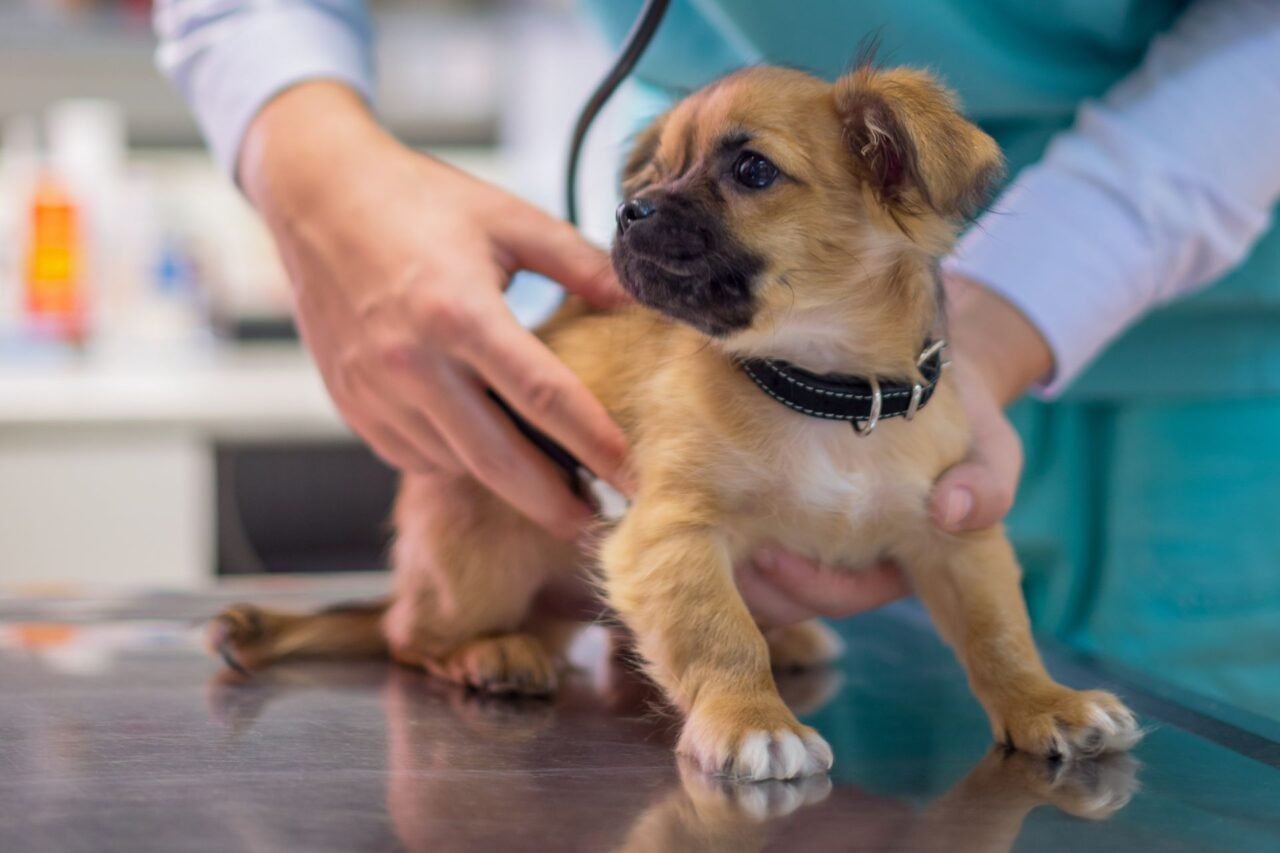
A little preparation turns a rushed appointment into a genuinely useful one. What to bring, what to write down, and the questions that help your vet help your dog.
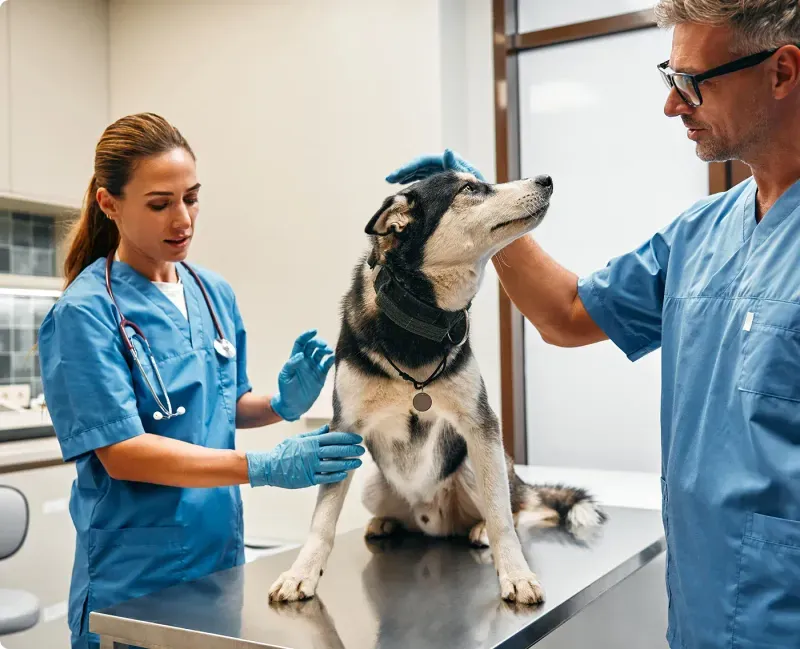
A veterinary visit is short — often 15 to 30 minutes — but what you bring into that room matters as much as what we find on examination. In clinic, the dogs who get the most out of their appointments are rarely the ones with the longest problem lists. They are the ones whose owners arrive with clear observations, the right paperwork, and a short list of priorities.
Before the appointment
Write down what you have actually seen
Vague worries are hard to act on; specifics are gold. Note when a symptom started, how often it happens, and whether it is getting better, worse, or staying the same. For vomiting or diarrhoea, note frequency, what it looked like, and any recent food changes, new treats, bin raids, or scavenging. A 20-second phone video of coughing, limping, scratching, or a strange episode is often more useful than five minutes of description — episodes that never happen in the consult room happen at home.
Bring the essentials
- Medication list: every drug, supplement and flea/worm product, with doses — or bring the boxes.
- Food details: brand, variety, and how much you feed per day, measured honestly.
- Records: vaccination history and previous test results if you are new to the practice.
- Samples if relevant: a fresh stool sample for digestive problems, a urine sample for urinary concerns — ask the clinic how they would like it collected.
- Your top three questions, written down, most important first.
On the day
Keep your dog on a secure lead or in a carrier, and arrive a few minutes early so neither of you starts stressed. If your dog is anxious at the clinic, tell the team when you book — quieter appointment times, waiting in the car, or vet-prescribed calming medication can transform the experience. Skip the big meal just before travel if your dog gets car sick, but do not fast your dog unless the clinic has asked you to (for example, before blood tests or sedation).
During the consultation
Be honest about feeding, exercise and missed doses — we are not judging, we are problem-solving, and the treatment plan has to fit your real life. If cost is a concern, say so early: there is almost always more than one reasonable option, and a plan you can follow beats a perfect plan you cannot. Before you leave, make sure you can answer three things: what we think is going on, what happens next (and when), and which signs should prompt you to call sooner.
A simple habit that pays off: keep a one-page health summary on your phone — weight history, conditions, medications, allergies, insurance details. Update it after every visit. Future-you, at an emergency clinic at midnight, will be grateful.
Frequently asked questions
What should I bring to my dog’s vet visit?
Bring a list of all medications and supplements with doses, details of your dog’s food and daily amount, vaccination records if you are new to the practice, and a written list of your questions. A short phone video of any symptom is extremely helpful.
Should I fast my dog before a vet visit?
Only if the clinic asks you to — for example before certain blood tests, sedation or surgery. Otherwise feed as normal, though a lighter meal helps dogs who get car sick.
What if my dog is frightened of the vet?
Tell the clinic when you book. Options include quieter appointment slots, waiting outside until your turn, minimal-handling techniques, and vet-prescribed anti-anxiety medication given before the visit.