Puppy Care
A New Puppy’s First Veterinary Visit: What to Expect
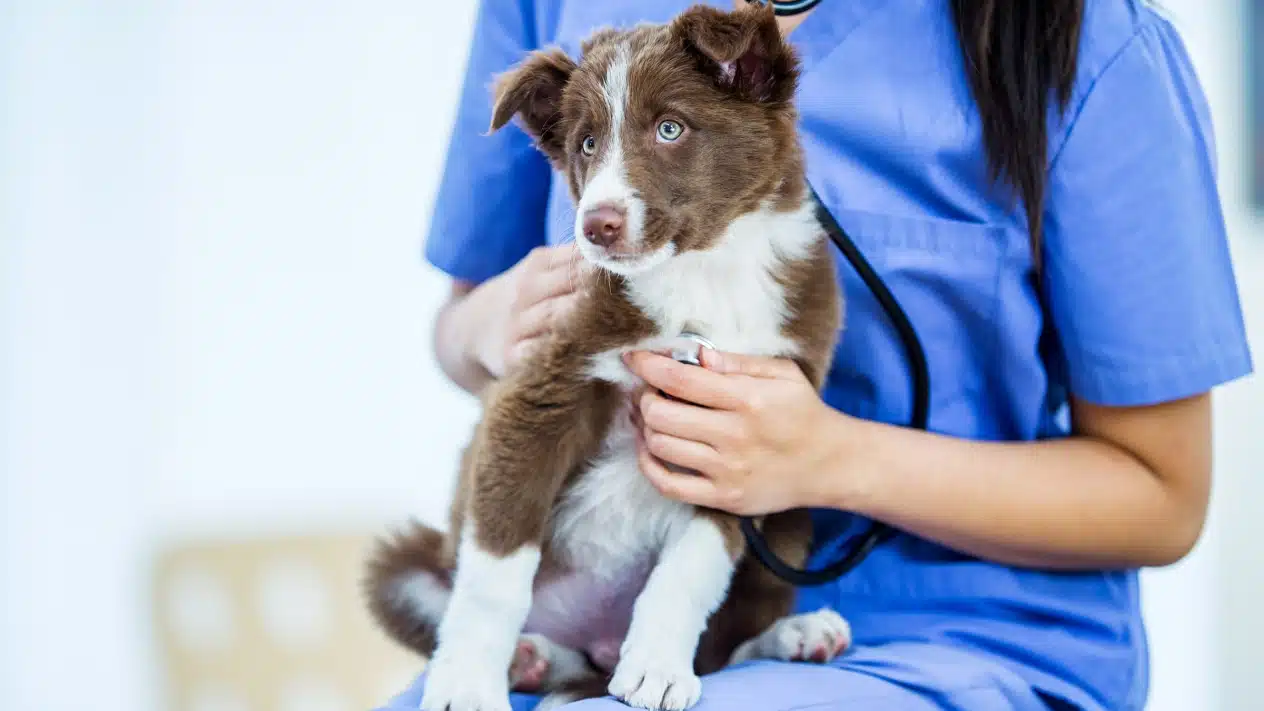
When to book, what the vet checks, which vaccines and parasite questions to ask, and how to make the first visit a calm, positive start to a lifetime of care.
Your puppy’s first vet visit sets the tone for every visit that follows — and it is about far more than a vaccination. Book it within the first few days of bringing your puppy home, ideally before any problems arise, so the clinic becomes a friendly place rather than somewhere they only go when unwell.
What your veterinarian will check
A full nose-to-tail examination: eyes, ears, teeth and bite, heart and lungs with a stethoscope, abdomen, skin and coat, joints, and — in males — whether both testicles are present. The vet will check for umbilical hernias, listen for heart murmurs (some puppy murmurs are innocent and disappear; others need monitoring), weigh your puppy, and record a baseline you will both refer back to for years. Bring any paperwork from the breeder or rescue: vaccine records, microchip details, worming history and the food they have been eating.
Vaccinations — the questions to ask
- Which core vaccines does my puppy need, and on what schedule? (Typically a course starting at 6–8 weeks, with boosters every 2–4 weeks until at least 16 weeks.)
- Is leptospirosis or kennel cough vaccination recommended for our lifestyle and area?
- When can my puppy safely go for walks and meet other dogs? (Usually about a week after the second vaccine — ask for your puppy’s exact timing.)
- When is the adult booster due, and will you remind me?
Parasite prevention
Puppies need frequent worming — typically every two weeks until 12 weeks old, then monthly until six months — because they can acquire worms from their mother and environment. Flea prevention and, depending on where you live, tick and lungworm protection also start young. Ask which products suit your puppy’s weight and age, and set reminders: missed doses are the commonest reason prevention fails.
Feeding, microchipping and neutering
Bring your feeding questions: how much, how often (usually 3–4 meals a day at 8 weeks), and when to transition foods — always gradually over 5–7 days. Confirm the microchip is registered to your details, not just implanted. Neutering timing is a real conversation, not a default: the right age depends on breed, size and sex, so ask your vet to discuss the pros, cons and timing for your individual puppy.
Make it positive
Bring tasty treats, let the team fuss over your puppy, and end with something good. Puppies who have relaxed first visits become adult dogs who are far easier — and safer — to examine and treat. Finally, ask about socialisation classes and insurance while your puppy is young and everything is still insurable.
Frequently asked questions
When should a puppy first see a vet?
Within the first few days of coming home, for a full health check and to plan vaccines and worming — even if the breeder’s vet already saw them.
How often do puppies need worming?
Typically every two weeks until 12 weeks of age, then monthly until six months, then as advised for adult dogs. Your vet will tailor this to your puppy.
When can my puppy go for walks after vaccines?
Usually around a week after the second vaccination, but timing varies by protocol — confirm the exact date with your own veterinarian.