Dog Nutrition
How to Measure Your Dog’s Food Accurately
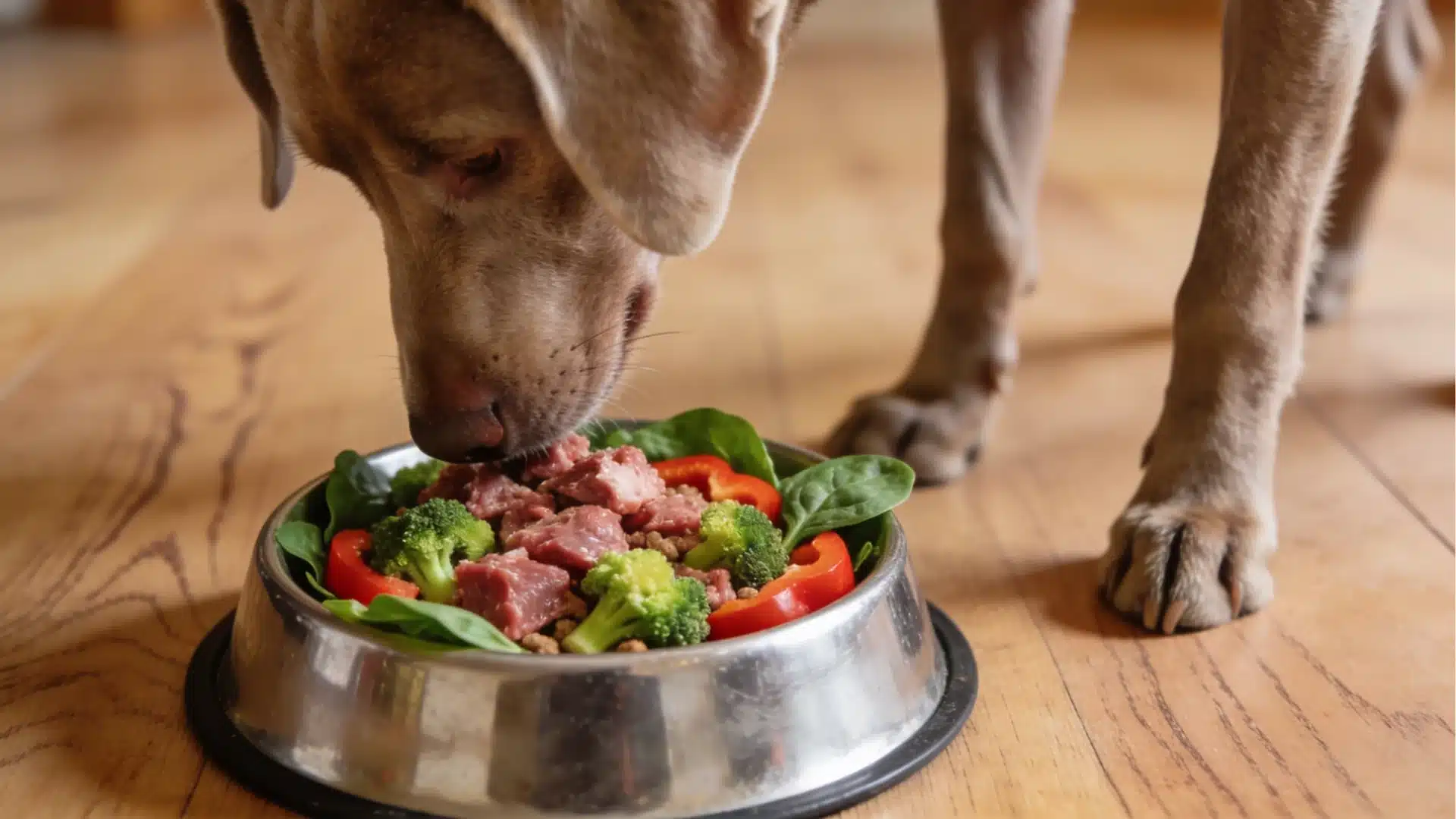
The humble measuring cup is one of the biggest causes of accidental overfeeding. A kitchen scale, two minutes, and a marker pen fix it permanently.
In weight clinics, one pattern repeats constantly: owners who are certain they feed ‘one cup’ are often feeding 20–40% more. Studies of measuring cups show errors in both directions, and overfeeding by even a small daily margin adds up to kilograms over a year. Accuracy is not about being strict — it is about feeding the amount you actually intend to feed.
Weigh it: the scale method
A basic kitchen scale is the single best weight-management tool you can buy. Find your dog’s daily allowance in grams (from the food’s feeding guide, adjusted with your vet), weigh each meal, and you have removed all guesswork. Weighing also makes changes precise: ‘reduce by 10%’ becomes a number, not a shrug.
If you use a cup, use it properly
- Use the same standard measuring cup every time — not a mug, scoop or yoghurt pot.
- Fill to level, not heaped, and use the same technique each time.
- Better still: weigh one correctly filled cup once, mark the level, and check weekly.
Count everything — treats are food too
As a rule, treats and extras should be no more than 10% of daily calories. Dental sticks, training treats, the corner of your toast, the cat’s leftovers — they all count. For training, use part of the daily kibble ration, or tiny low-calorie treats, and reduce the bowl slightly on heavy training days.
Household rules that work
- One person feeds, or a tick-chart on the fridge shows who already has — double-feeding is remarkably common.
- Write the grams per meal on the food bin in marker. Babysitters and family will thank you.
- Re-weigh portions when you change foods: different kibbles have very different calorie densities per cup.
Combine accurate measuring with a monthly weigh-in and body condition check, and you have a complete, honest picture of your dog’s energy balance — the foundation of every successful feeding plan.
Frequently asked questions
Is a measuring cup accurate enough for dog food?
Often not. Studies show cup measurements commonly vary by 20–40%. Weighing food in grams with a kitchen scale is far more consistent.
How much of my dog’s diet can be treats?
Keep treats and extras to no more than about 10% of daily calories, and reduce meal portions slightly to compensate on treat-heavy days.
How do I know my dog’s daily food amount in grams?
Start from the feeding guide on the food for your dog’s target weight, then adjust based on body condition — your vet can set an exact gram target at a weight check.