Senior Dog Care
Tracking Changes in Your Older Dog: A Senior Checkup Guide
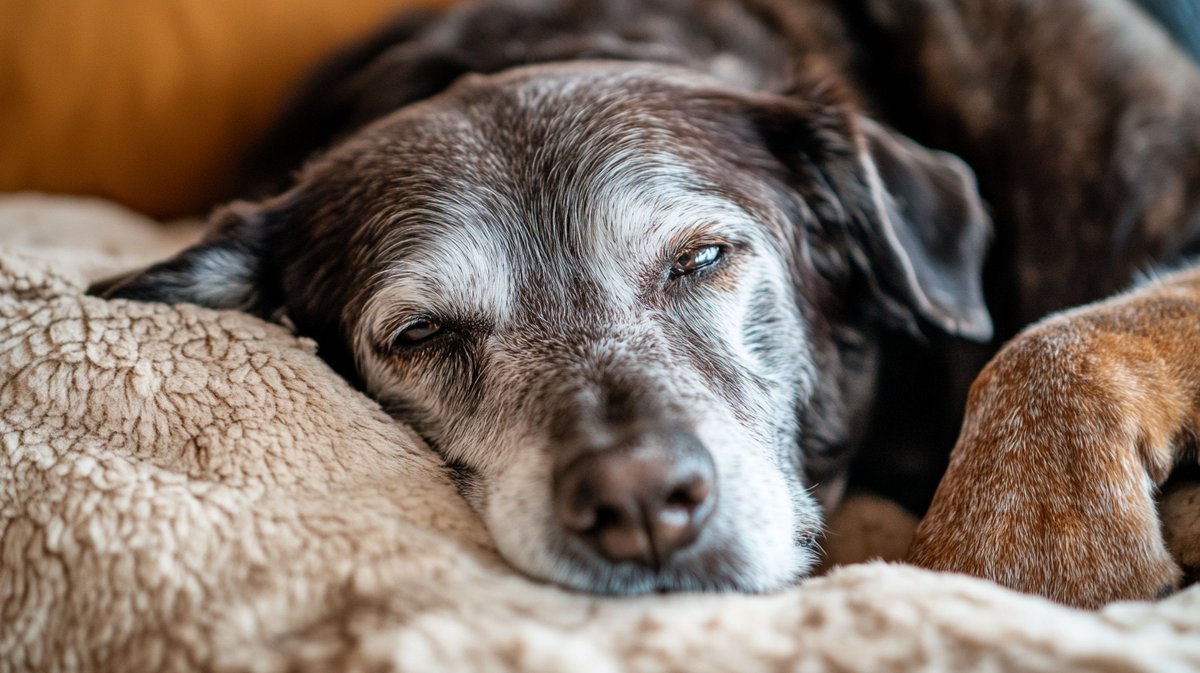
‘Just slowing down’ is the phrase that delays the most diagnoses. Which changes in a senior dog are normal ageing, which are not, and how to track them usefully.
Dogs are considered senior in roughly the last quarter of their expected lifespan — around age 7–8 for large breeds and 10–11 for small breeds. The single most dangerous sentence in senior dog care is ‘he’s just getting old’. Ageing itself is not a disease, but older dogs develop more diseases — and most are more treatable when caught early.
Changes that are NOT ‘just old age’
- Drinking or urinating more — possible kidney disease, diabetes, hormonal disease.
- Weight loss (or muscle loss over the spine and hips) — many causes, all worth investigating.
- Stiffness after rest that eases with movement — classic arthritis, which is painful and treatable.
- Coughing, reduced stamina, or breathing changes — heart and lung disease need assessment.
- Night-time restlessness, staring, getting stuck in corners, changed sleep — possible canine cognitive dysfunction, which benefits from early support.
- New lumps — many are benign, but only examination and sampling can tell.
Keep a simple senior log
Once a month, note: weight, appetite, water intake (has the bowl emptied faster?), mobility (stairs, walks, getting up), sleep pattern, and anything new. Patterns over months are far more useful to your vet than impressions on the day — and our symptom diary guide shows a simple format that works.
What a senior checkup adds
Twice-yearly examinations are a sensible rhythm for seniors. Blood pressure measurement, blood and urine tests, dental assessment and a pain/mobility review catch the common silent diseases — kidney disease, thyroid problems, early heart disease — while they are still manageable. Bring your log and a list of every medication and supplement.
Comfort at home
Small changes pay large dividends: a supportive bed in a warm, draught-free spot; rugs or runners on slippery floors; ramps for cars and sofas; raised food bowls for stiff necks; and shorter, more frequent walks rather than one long one. Senior care is not about doing everything — it is about noticing early and adjusting kindly.
Frequently asked questions
At what age is a dog considered senior?
Roughly the last quarter of expected lifespan — about 7–8 years for large breeds and 10–11 years for small breeds.
How often should a senior dog see a vet?
Twice-yearly checkups are recommended for most senior dogs, with blood and urine tests as advised, because common age-related diseases are often silent early on.
Is stiffness in an old dog just ageing?
Stiffness is most often arthritis — a painful condition with many effective treatments. It should always be assessed rather than accepted as inevitable.