Dog Health
Why Does My Dog Keep Getting Ear Infections?
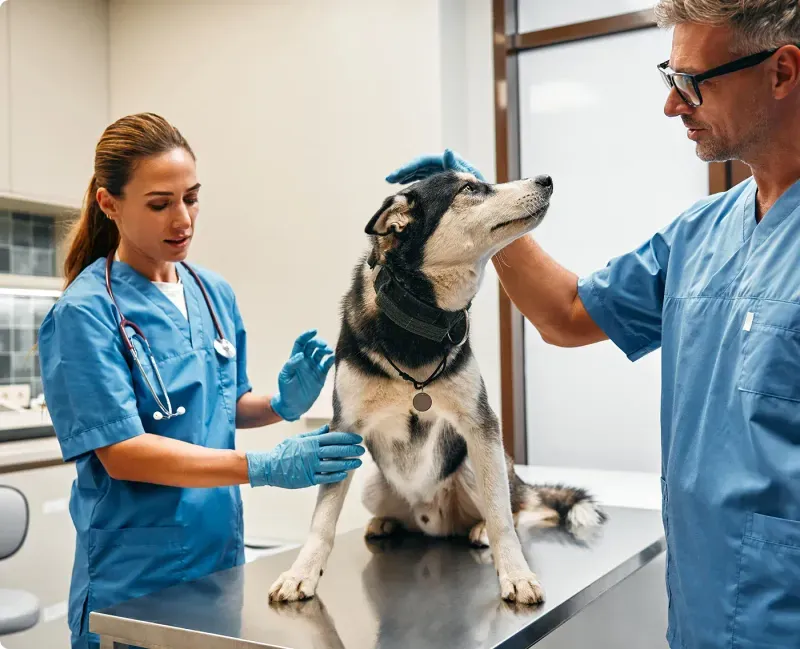
Recurring ear infections are almost never ‘just an ear problem’. The primary cause — often allergy — plus the shape of the ear canal explain why they keep coming back.
Head shaking, scratching, a yeasty smell, brown discharge, a head tilt — and six weeks after treatment, it is all back again. Recurrent ear infections (otitis externa) are one of the most frustrating problems in small-animal practice, and the key insight is this: the infection is usually the symptom, not the disease.
The PSPP framework vets use
Primary causes — what starts it
Allergic skin disease (environmental allergy and, less commonly, food allergy) is the most common primary cause in recurrent cases. Other primary causes include ear mites (especially in puppies), foreign bodies such as grass seeds, hormonal diseases like hypothyroidism, and polyps or tumours in older dogs.
Secondary causes — the infection itself
Bacteria and yeasts (especially Malassezia) overgrow in an inflamed canal. This is why your vet takes a swab and looks at it under the microscope (cytology): rods, cocci and yeasts need different treatments, and cytology at rechecks tells us whether treatment is actually working.
Predisposing and perpetuating factors
Floppy ears, hairy or narrow canals, and swimming predispose dogs to otitis. Chronic inflammation then perpetuates it: the canal lining thickens, glands change, and in end-stage disease the canal can calcify — at which point surgery becomes the only option. This is why ‘watch and wait’ with recurring ears is risky.
Why home remedies and leftover drops fail
Using an old tube from last time treats last time’s microbes, may be unsafe if the eardrum is damaged, and masks the picture your vet needs to see. Vinegar and home cleaners sting inflamed canals and do nothing for allergy. What works is a cycle: examine (including the eardrum), sample, treat based on cytology, recheck with repeat cytology, then — crucially — address the primary cause and agree a maintenance plan, often scheduled ear cleaning and early flare treatment.
When to seek help promptly
Book soon for any head tilt, loss of balance, facial droop, bulging or painful ear flap (aural haematoma), or an ear that is not improving within a few days of starting prescribed treatment. If your dog has had three or more ear infections in a year, ask your vet directly: ‘What is the primary cause, and what is our long-term plan?’ That question changes the whole conversation.
Frequently asked questions
Why does my dog’s ear infection keep coming back?
Usually because the primary cause — most often allergic skin disease — has not been controlled. Treating the bacteria and yeast alone gives temporary relief while the underlying inflammation remains.
Can I use leftover ear drops from last time?
It is not recommended. The microbes may differ, the drops may be unsafe if the eardrum is damaged, and using them first prevents your vet from getting an accurate sample.
Do dogs with floppy ears always get ear infections?
No, but ear shape is a predisposing factor. Regular checks, keeping canals dry after swimming, and prompt treatment of early flares greatly reduce problems.